Santa Barbara County close to allowing thousands of acres of solar energy projects
Santa Barbara News-Press reports on the Clean Coalition's solar ordinance comments urging the Board of Supervisors to embrace stand-alone storage.
Read article
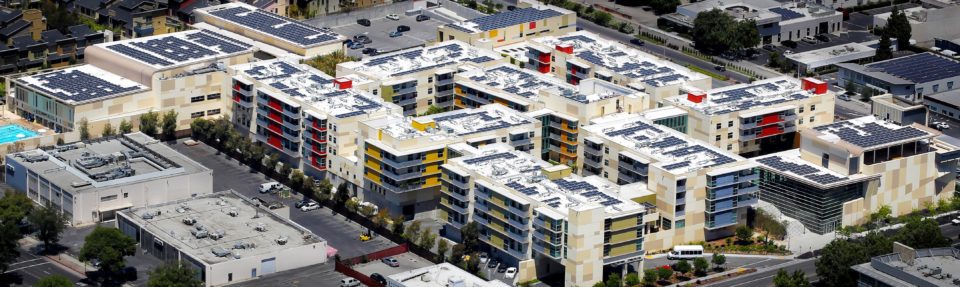
Peninsula Advanced Energy Community
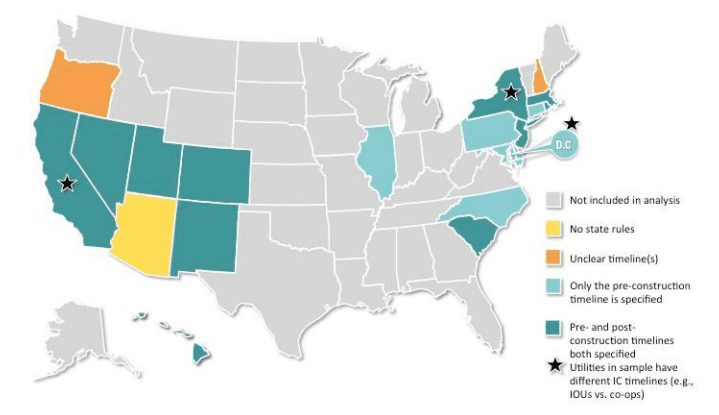
Interconnection is recognized by the California Public Utilities Commission (CPUC) as a significant barrier in developing distributed energy resources (DER) and achieving statewide energy and emission goals. While interconnection of net energy metered (NEM) facilities has realized efficiencies, identically sized and similarly sited wholesale distributed generation (WDG) projects suffer from interconnection processes in investor-owned utility service territories that:
Interconnection processes serve two fundamental purposes:
Federal and state regulators are faced with the challenge of keeping interconnection procedures updated against a backdrop of evolving technology, new codes and standards, and considerably transformed market conditions. The PAEC initiative seeks to educate policymakers and stakeholders on beneficial reforms that will keep interconnection processes efficient and cost-effective while maintaining a safe and reliable electric grid. The initiative also establishes a pilot to facilitate interconnection for WDG projects.
The Best Practices report recommends reforms to federal and state interconnection procedures to meet the demands of a growing national marketplace for solar and other DER that interconnect to the electric grid. Updating federal and state interconnection processes can have a significant, positive impact on the efficiency and transparency with which renewable energy systems are interconnected nationwide, which in turn can have a significant impact on the cost of meeting state energy policy goals and objectives.
The goal of the Pilot for Testing Streamlined Interconnection Procedures is to replicate the streamlined NEM interconnection process, timing, and pricing for qualified wholesale projects.
The latest in clean local energy
Learn about our innovative projects and initiatives on our blog, and see what others are reporting about our important work.
Santa Barbara News-Press reports on the Clean Coalition's solar ordinance comments urging the Board of Supervisors to embrace stand-alone storage.
Read articleThe Clean Coalition is a partner organization for this webinar, which takes place on 13 August 2026 at 10am.
Read MoreThe Clean Coalition was a partner organization for this webinar, which took place on 23 July 2026 at 10am.
Read More