FOM/WDG procurement

Unleashing an underserved market

Bringing more clean local energy to California

In California, the front-of-meter (FOM) market, also known as wholesale distributed generation (WDG), is woefully underserved — in part because the full value and benefits of FOM/WDG projects are not recognized and compensated in procurement processes. The Clean Coalition is working to fix this significant market gap.

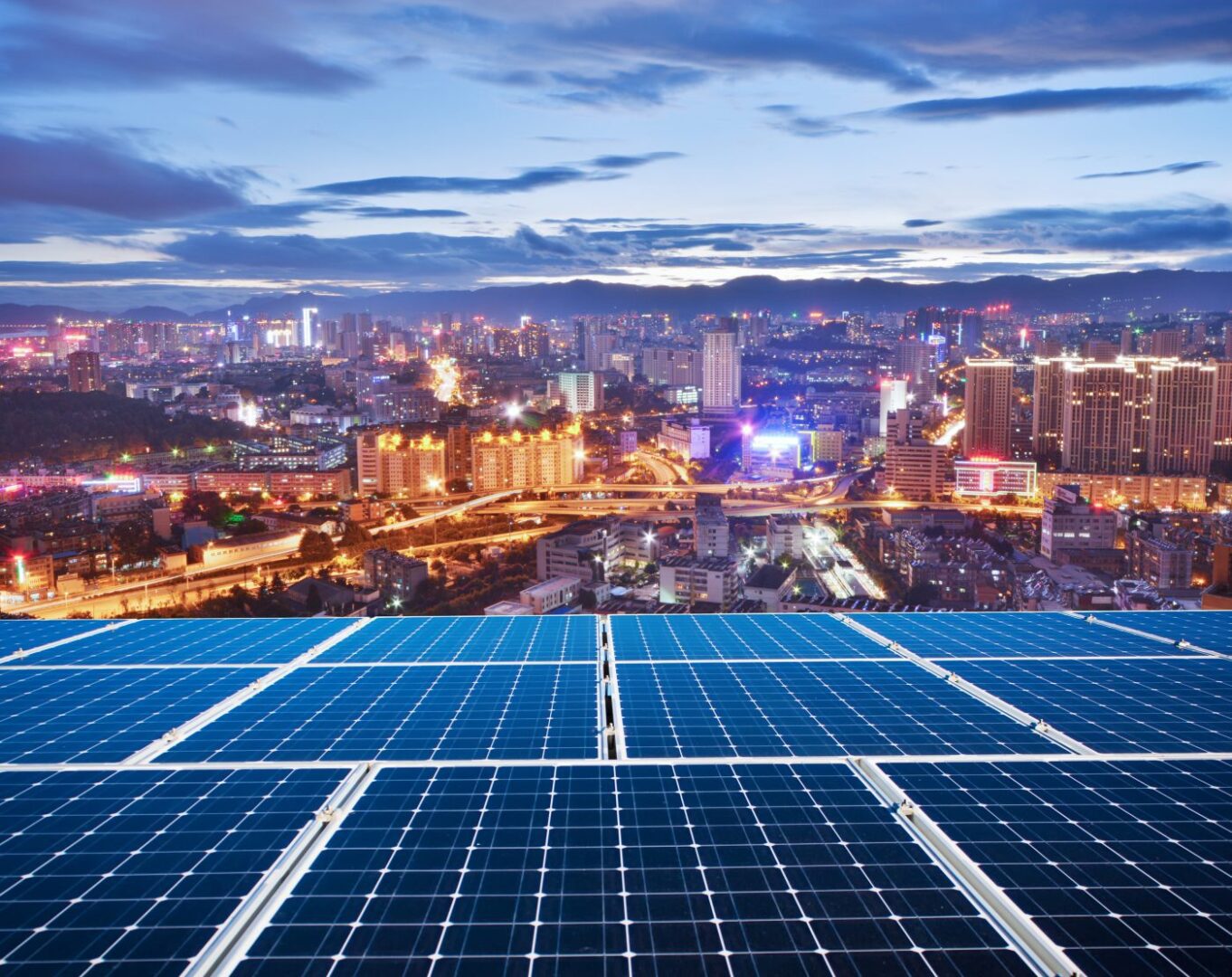
Solar panels in the foreground with a modern city skyline under a cloudy sky in the background.

What is FOM?

A crucial market segment

FOM/WDG refers to distributed energy generation, often commercial-scale solar, that interconnects to the distribution grid in front of the customer meter and serves local loads while avoiding any use of the transmission grid. Rather than serving one customer, these systems can serve an entire community, while avoiding the expensive, inefficient transmission lines required by remote power generation.

Aerial view of a parking lot covered with solar panels, with cars parked in rows between the panels.

Value and benefits of FOM/WDG

FOM/WDG provides communities these benefits and more:

  • Avoids expensive and inefficient transmission infrastructure
  • Boosts local economies
  • Provides new power sources more quickly than central energy generation
  • Enhances resilience and energy security
  • Boosts energy independence

The Clean Coalition’s FOM/WDG Procurement Initiative

FOM/WDG procurement and deployment is unleashed through:

  • Widely available standard offer procurement contracts, such as improved Renewable Market Adjusting Tariff (ReMAT) and Community Choice Energy (CCE) Feed-In Tariff (FIT) programs
  • Inclusion of FOM/WDG as a category in the next statewide Integrated Resources Planning (IRP)
  • Grid services that are compensated through Distribution Resources Planning (DRP) and Integrated Distributed Energy Resources (IDER) efforts
Solar panels installed above parking spaces with parked cars, set against a backdrop of high-rise residential buildings.

Initiative plan

  • Ensure that the economic value of location and other attributes is fully recognized and compensated, including the full value of avoided transmission costs, resulting in significant ratepayer savings.
  • Ensure transparency of the distribution grid, so that locations for DER receive optimized value.
  • Ensure that resilience value is fully recognized and compensated, including for indefinite renewables-driven backup power and avoided use of diesel generators and other fossil-fuel-dependent solutions.
  • Ensure that the environmental value of commercial-scale WDG on built environments is fully recognized and compensated.

Learn more

Regulatory filings

Media coverage

Recent news

The latest in clean local energy

Learn about our innovative projects and initiatives on our blog, and see what others are reporting about our important work.

Town Council hears Facilities Energy Generation Project update

Lamorinda Weekly reports on the Clean Coalition’s work in Moraga, California, supporting the Town’s evaluation of solar and battery solutions to improve energy resilience at critical facilities.

Read article

Santa Barbara shows its solar strong colors

Environment California reports on Santa Barbara's clean energy progress, quoting Clean Coalition's Executive Director, Craig Lewis.

Read article

49 organizations submit letter in support of restored funding for one of the world’s largest…

Environment California reports on the Clean Coalition's advocacy in favor of restoring funding for California's Demand Side Grid Support (DSGS) program.

Read article